How does this benefit the next generation?
Empowerment in Emergencies: Statistics show that 90% of children between the ages of 11 and 16 will be confronted with a medical emergency. Training replaces panic with the confidence to take control.
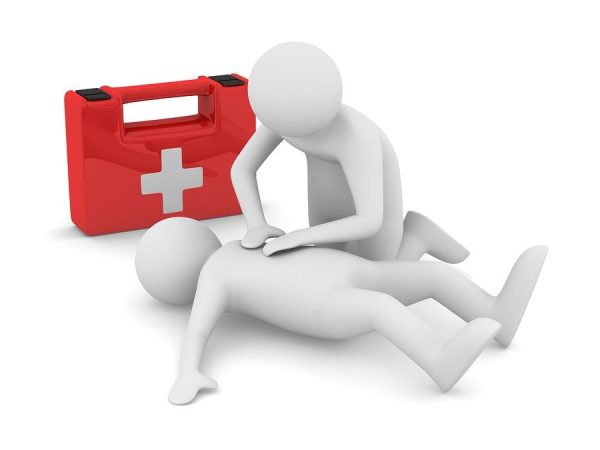
Physical Capability for CPR: Research indicates that children under 11 often lack the physical strength to achieve the required depth for effective chest compressions; those aged 11+ are generally better equipped to perform resuscitative first aid.
Managing Peer-Related Risks: Teenagers are often “risk-takers.” In a single year, over 532,000 teenagers in the UK had to cope with an unconscious or injured friend who had consumed too much alcohol. First aid training helps them evaluate risks and act if a peer collapses.
Developing Life Skills & Values: Empathy and Responsibility: Learning to care for others in distress fosters compassion and a sense of duty toward their community.
Critical Thinking: Emergencies require quick, accurate decision-making, a skill that translates into other areas of their personal and academic lives.
Future Opportunities: A first aid qualification is highly valued for Duke of Edinburgh Awards, sports coaching, and UCAS applications, particularly for those pursuing medical careers. It also makes them more employable for roles like babysitting or working at kids’ clubs.
Creating a Safer Society: Training a generation of children increases the number of trained bystanders in the population. Countries that teach CPR in secondary schools, such as Norway, see significantly higher survival rates for out-of-hospital cardiac arrests.