Post-16 Mechanics Pathway

About this pathway:

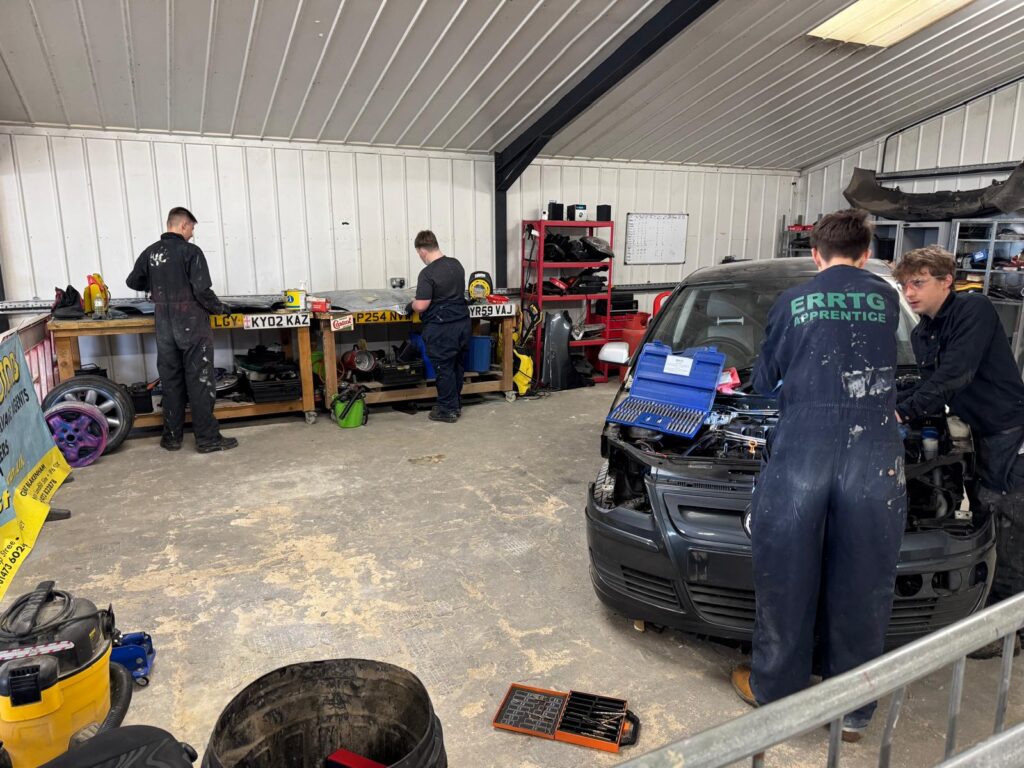
Our mechanics course has been designed for those who are looking for the necessary skills and knowledge to be competent and safe within the automotive industry.

  • Each group has a maximum of 8 pupils.
  • Students can opt for half-day or full-day sessions.
  • We can create a bespoke learning programme to meet the needs of the student(s).
  • We deliver through a combination of theory and practical sessions.
80ccdd9d 74a2 41c2 A4b1 4ad41e6a6975

Course duration

3 terms (can vary depending on the agreed programme)

Session times

  • AM – 09:30 am – 11:30 am
  • PM – 12:30 pm – 2:30 pm

Units

  • Tools, Equipment and Materials for Vehicle Maintenance
  • Identification of Basic External and Internal Car Parts
  • Routine Vehicle Maintenance Processes and Procedures on Vehicles with Four Wheels or more

Pupils can extend their course with an additional 2 units: Introduction to Vehicle Valeting and Basic Vehicle Body Repairs.

Tools, Equipment and Materials for Vehicle Maintenance

Learning Aims


  • Be able to work safely.

The learner must:

  • Select and use appropriate Personal Protective Equipment when using tools and equipment for vehicle maintenance.
  • Use safe methods of working when using tools and equipment.

  • Be able to use and maintain hand tools for vehicle maintenance.

The learner must:

  • Select appropriate hand tools for vehicle maintenance tasks.
  • Use hand tools correctly
  • Identify common defects in basic tools.
  • Maintain hand tools in a safe condition.

  • Be able to use workshop equipment for vehicle maintenance.

The learner must:

  • Select appropriate workshop equipment for vehicle maintenance.
  • Use workshop equipment correctly.
  • Carry out basic care and maintenance of common workshop equipment.

  • Be able to use materials when carrying out vehicle maintenance.

The learner must:

  • Identify common materials in the construction of vehicles.
  • Identify common materials and consumables used for vehicle maintenance.
  • Use appropriate materials and consumables for vehicle maintenance.


Nocn@2x

Routine Vehicle Maintenance Processes and Procedures on Vehicles with Four Wheels or more

Learning Aims


  • Be able to work safely when carrying out routine vehicle maintenance.

The learner must:

  • Use appropriate Personal Protective Equipment when carrying out routine vehicle maintenance.
  • Use appropriate and safe working practices when carrying out routine vehicle maintenance.

  • Know vehicle components and systems that require routine maintenance.

The learner must:

  • Identify the main components and systems found on a modern vehicle that require routine maintenance.

  • Know routine maintenance requirements for vehicle systems and components.

The learner must:

  • Locate the correct and appropriate sources of information, tools and equipment required to carry out basic routine vehicle maintenance, e.g interim service.

  • Be able to carry out routine vehicle maintenance, e.g interim service.

The learner must:

  • Locate and use the correct technical data when carrying out basic routine maintenance of vehicles, e.g interim service.
  • Demonstrate the correct procedures when inspecting systems and components during basic routine vehicle maintenance.
  • Demonstrate the correct procedures when replacing and replenishing fluids and service items during basic routine vehicle maintenance.
  • Demonstrate the correct procedures when adjusting and lubricating vehicle components and systems.

Identification of Basic External and Internal Car Parts

Learning Aims


  • Know the location of major engine and chassis components.

The learner must:

  • Locate and name the following engine components:
    (a) alternator
    (b) starter motor
    (c) carburettor
  • Locate and name the following chassis components:
    (a) gearbox
    (b) front and rear brake assemblies
    (c) suspension components

  • Know the major internal engine components.

The learner must:

  • Identify the following major internal engine components:
    (a) crankshaft
    (b) piston
    (c) valves
    (d) connecting rod
    (e) oil pump
    (f) camshaft
    (g) flywheel

  • Know the major cooling system components.

The learner must:

  • Locate and name the following cooling system components:
    (a) radiator
    (b) water pump
    (c) thermostat
    (d) hoses