Schools Training & Workshops

A safe school isn’t just about the right equipment—it’s about the right skills.

We’re thrilled to launch our comprehensive First Aid programs designed to empower your entire school community.

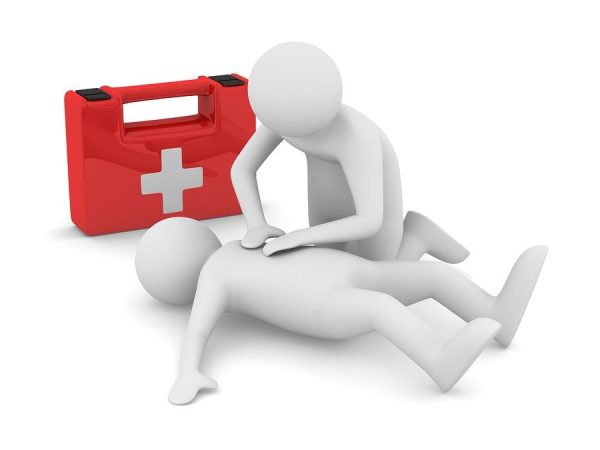
Whether it’s upskilling teaching staff on the right course of action or educating young people on the correct way to administer CPR, our first-aid training program provides schools with the essential skills and accredited certifications needed to protect both staff and students. We offer a comprehensive suite of Qualsafe Awards (RQF) to ensure your setting meets Ofsted and EYFS requirements through expert-led, practical instruction.

Img 0859

For Staff: Professional Peace of Mind

Ensure your team is confident and compliant with courses tailored to the school environment:

  • Emergency First Aid at Work: Certified training for the workplace.
  • Paediatric Specialists: Critical skills for Early Years and Primary staff.
  • EpiPen & Asthma Training: Specific protocols for high-risk students.
  • INSET Day Friendly: We can come to you, making accessing training easy and efficient.

For Students: Skills for Life

  • Our interactive workshops turn pupils into “First Aid Heroes”:
  • Secondary (KS3/4): Vital life skills including CPR, recovery position, and choking response.
  • Building Character: Boosts confidence, empathy, and a sense of community responsibility.

Why should you do it?

Statistically, young people are more likely to take risks. While we cannot always reduce those risks, we need to demonstrate how school-age pupils should respond to these kinds of scenarios, and build their confidence for when they reach adulthood.

Research from the last 3 years indicates the following:

  • 4/10 students leave secondary school without any CPR training.
  • The same study noted that over 70% of students who did receive training felt confident enough to act in a real emergency.
  • A British Red Cross survey found that more than 90% of secondary school students want to be first aid trained and believe it would help them assist friends or family.
  • St John Ambulance research showed that 75% of 10–17-year-olds believe mental health first aid should be compulsory in schools alongside physical skills.
First Aid 600x450

How does this benefit the next generation?

Empowerment in Emergencies: Statistics show that 90% of children between the ages of 11 and 16 will be confronted with a medical emergency. Training replaces panic with the confidence to take control.

Physical Capability for CPR: Research indicates that children under 11 often lack the physical strength to achieve the required depth for effective chest compressions; those aged 11+ are generally better equipped to perform resuscitative first aid.

Managing Peer-Related Risks: Teenagers are often “risk-takers.” In a single year, over 532,000 teenagers in the UK had to cope with an unconscious or injured friend who had consumed too much alcohol. First aid training helps them evaluate risks and act if a peer collapses.

Developing Life Skills & Values: Empathy and Responsibility: Learning to care for others in distress fosters compassion and a sense of duty toward their community.

Critical Thinking: Emergencies require quick, accurate decision-making, a skill that translates into other areas of their personal and academic lives.

Future Opportunities: A first aid qualification is highly valued for Duke of Edinburgh Awards, sports coaching, and UCAS applications, particularly for those pursuing medical careers. It also makes them more employable for roles like babysitting or working at kids’ clubs.

Creating a Safer Society: Training a generation of children increases the number of trained bystanders in the population. Countries that teach CPR in secondary schools, such as Norway, see significantly higher survival rates for out-of-hospital cardiac arrests.

If you are interested in this service, please get in touch using the contact information below.

E: info@pathwaysskillsacademy.co.uk

T: 01473 830255